La Cage has been Quebec's sports brasserie since 1984. In November 2025 I started work with the group on what a British La Cage could be, and stayed with it all the way to opening night in Kensington: the menu, the kitchen, the suppliers, the recipes, the team and the launch.
Before changing a single dish, go and eat the brand where it lives.
Through the winter and spring I flew to Montreal to sit in the Cages, eat the menu, work with the founding team and watch the group run its own brand at full tilt through a Canadiens playoff run. You cannot translate a brand you have only read about. Poutine, the tartares, the ribs, the stone-baked Pidzz, the way a room fills when the game starts: all of that had to be in my head before a word of the London menu was written.
The question we kept coming back to was simple. What makes this unmistakably La Cage, and what has to change for a London guest who has never heard of it?
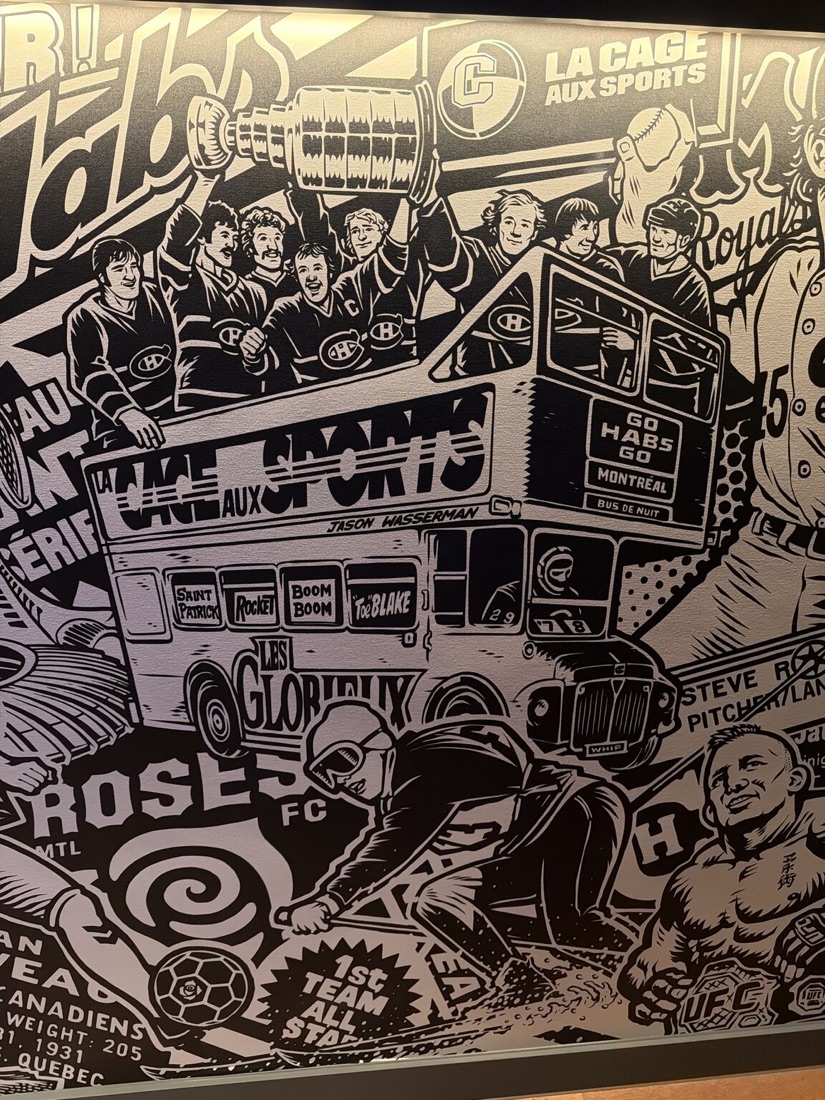
The signatures stay Canadian and proud of it. Around them sits food a London guest recognises instantly, so nobody has to understand Quebec to have a great night.
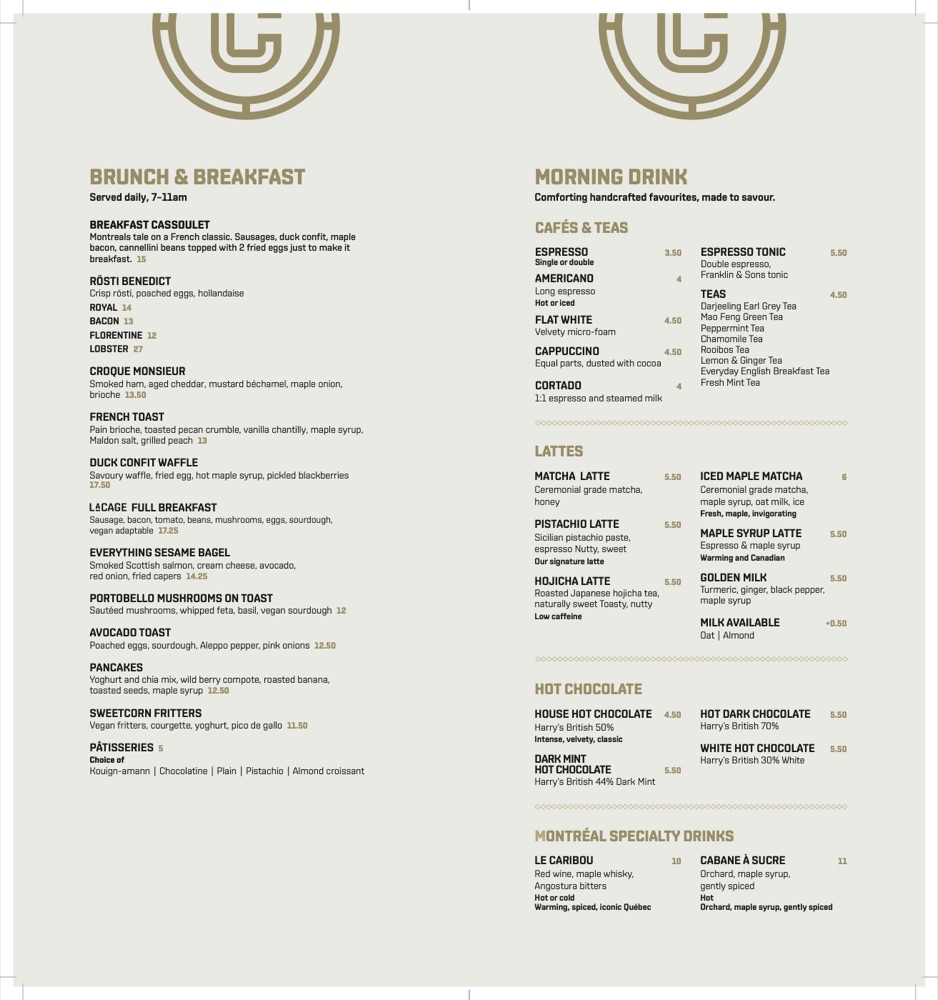
Montreal signatures, a British brunch, a proper Sunday roast, and desserts worth staying for.
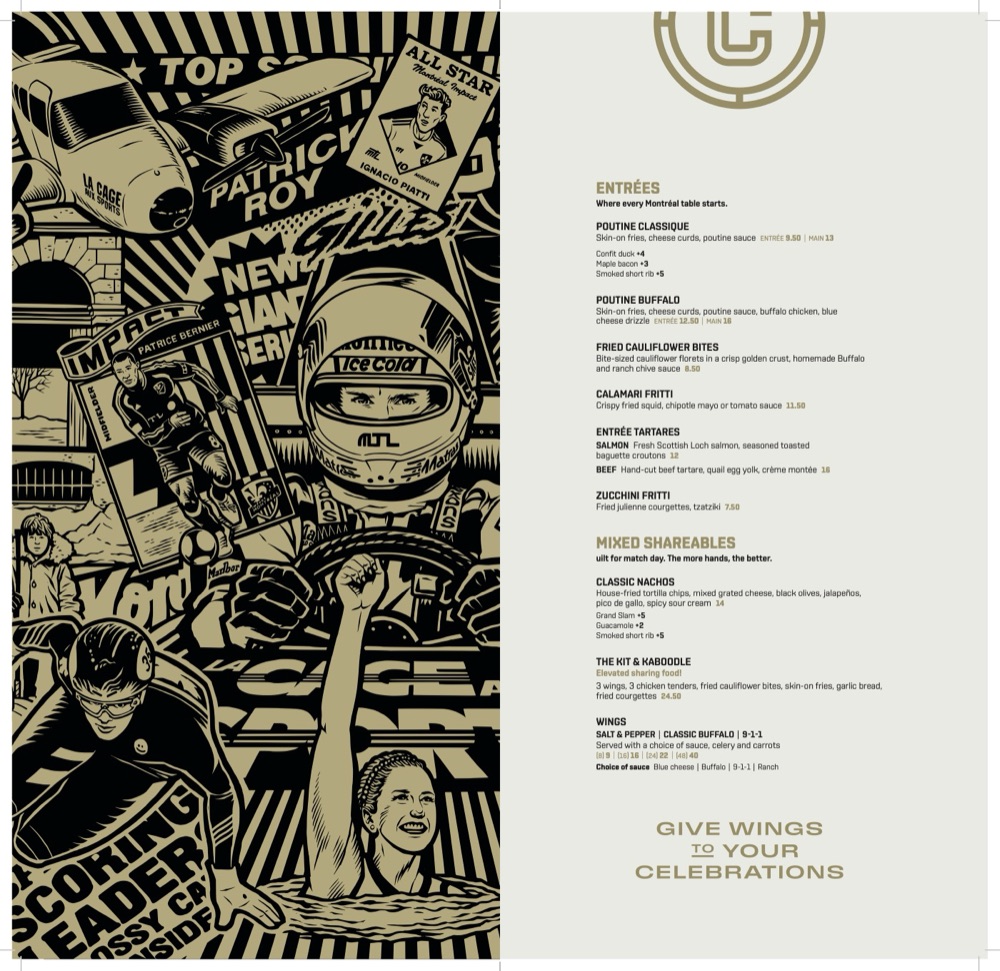
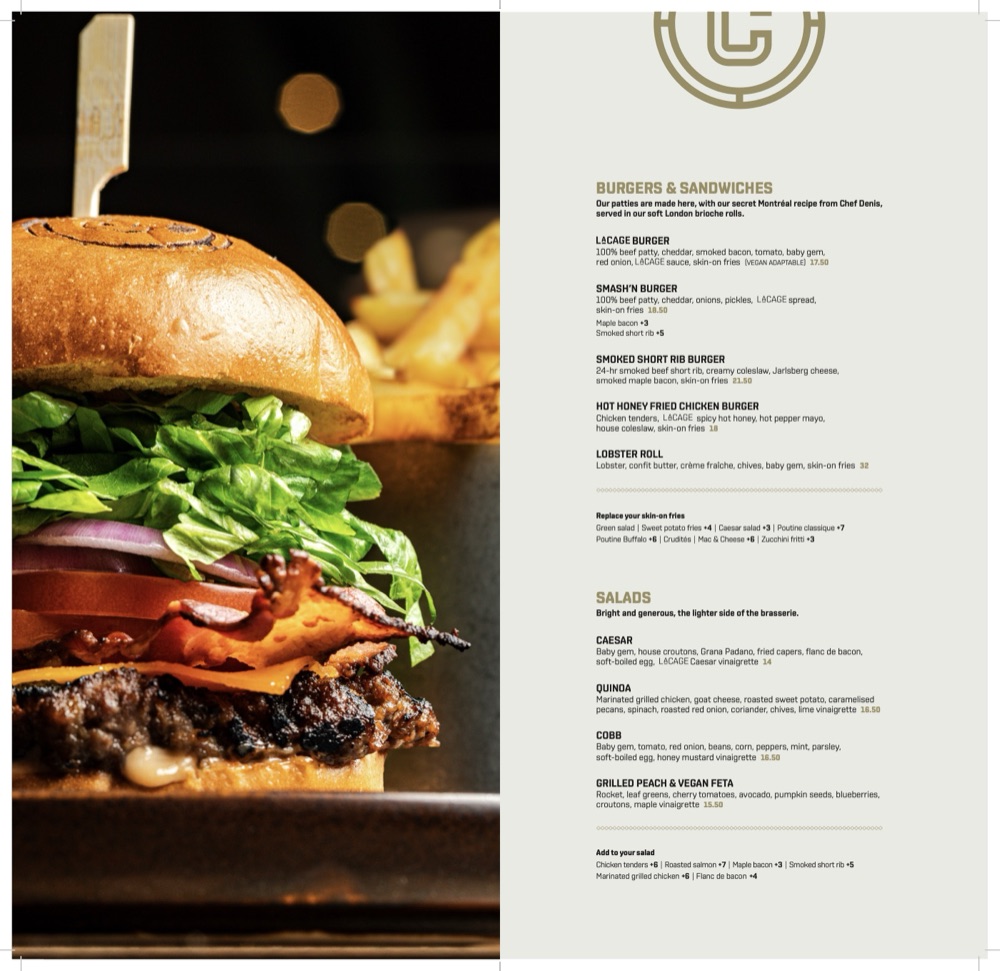
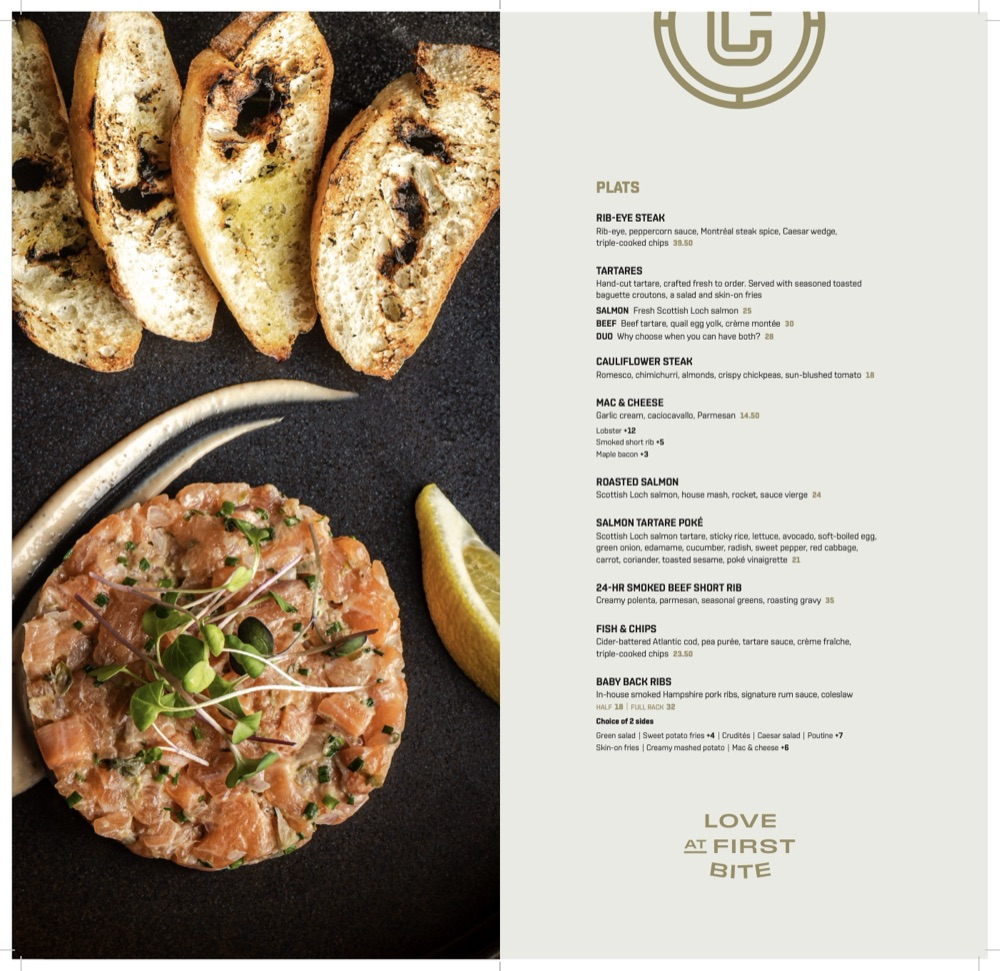
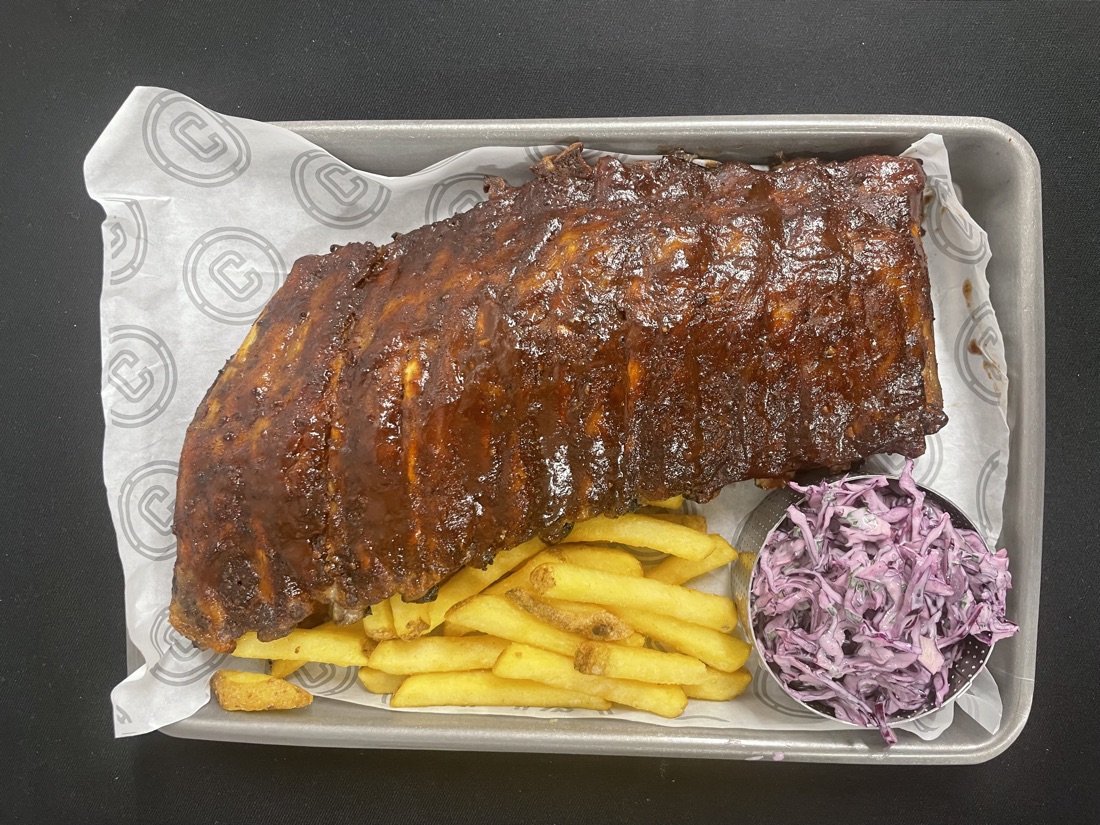
We worked from the Canadian recipe cards and kept them wherever they were right, carrying UK weights and measures alongside so a chef in Kensington cooks exactly what a chef in Brossard cooks. Poutine classique with real cheese curds, hand-cut tartares, baby back ribs, the smash burger with its own signature sauce, and the Pidzz stone-baked to order.
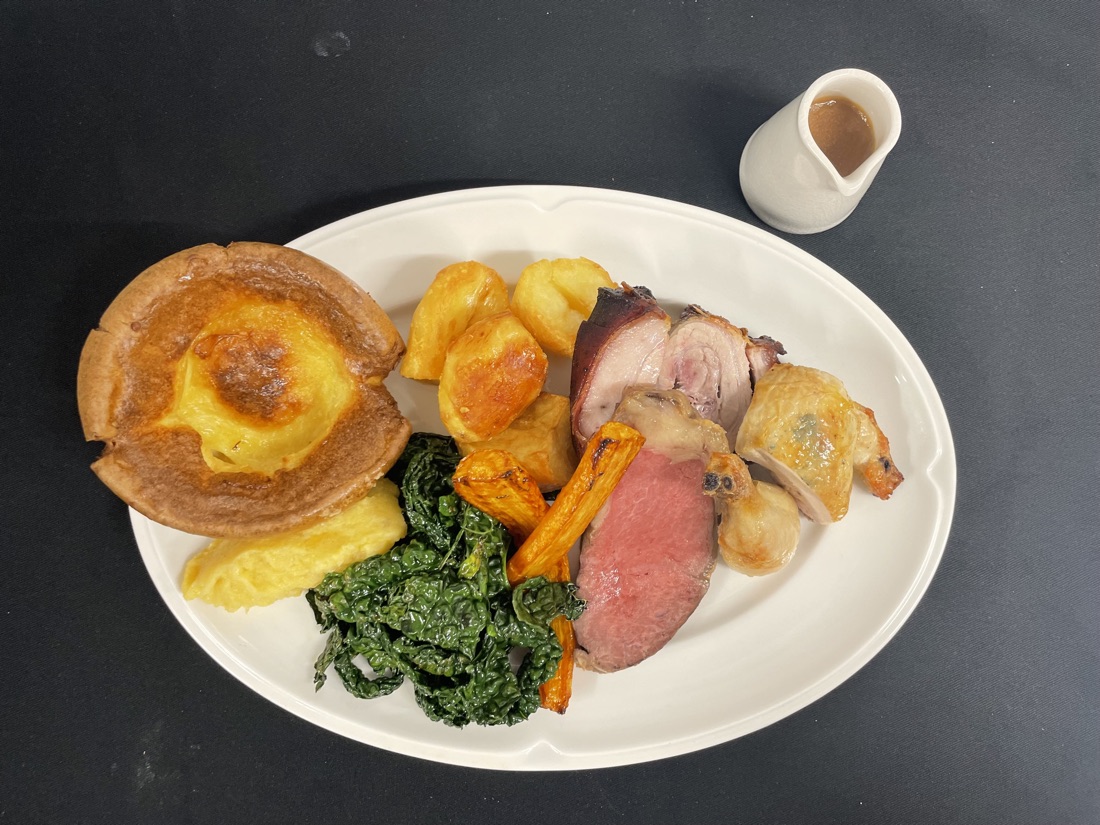
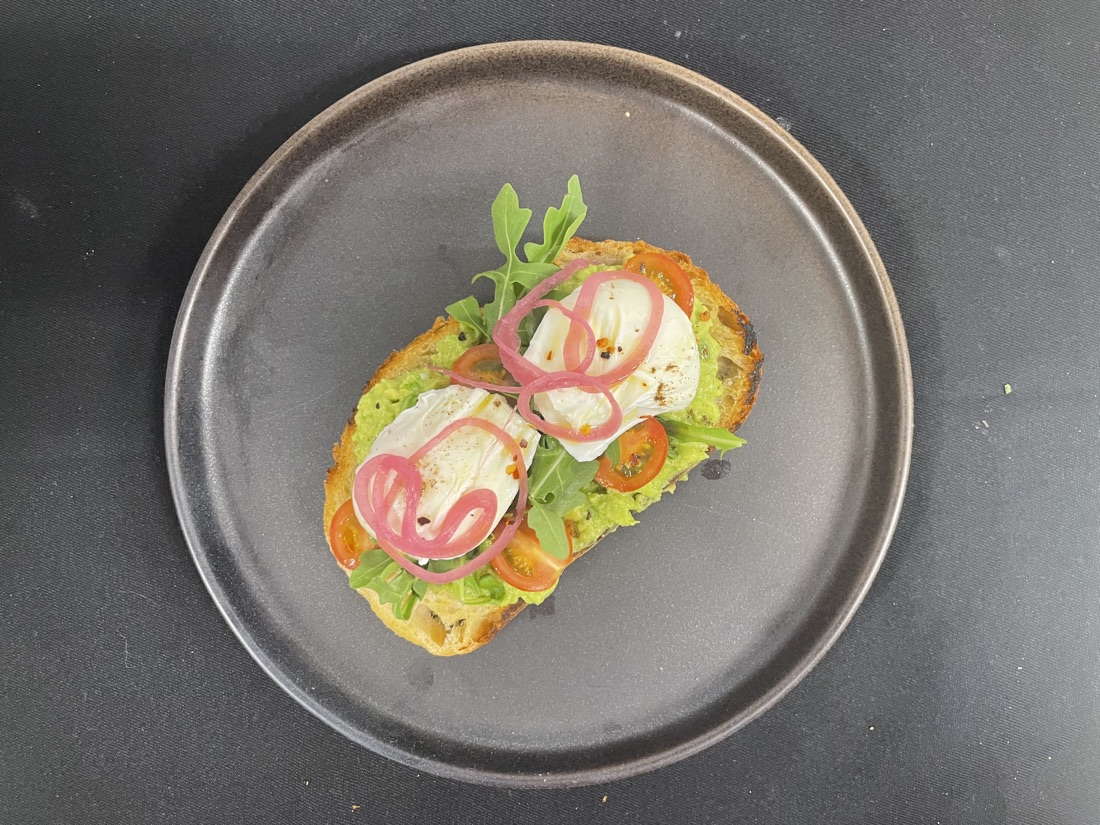
Then the British layer. Brunch from seven in the morning, where a breakfast cassoulet of duck confit and maple bacon sits beside a full English and a rösti benedict. A Sunday roast developed for London tables. Desserts built to be ordered rather than skipped. Duck confit made in house at roughly a quarter of the bought-in price, which paid for better produce elsewhere on the card.
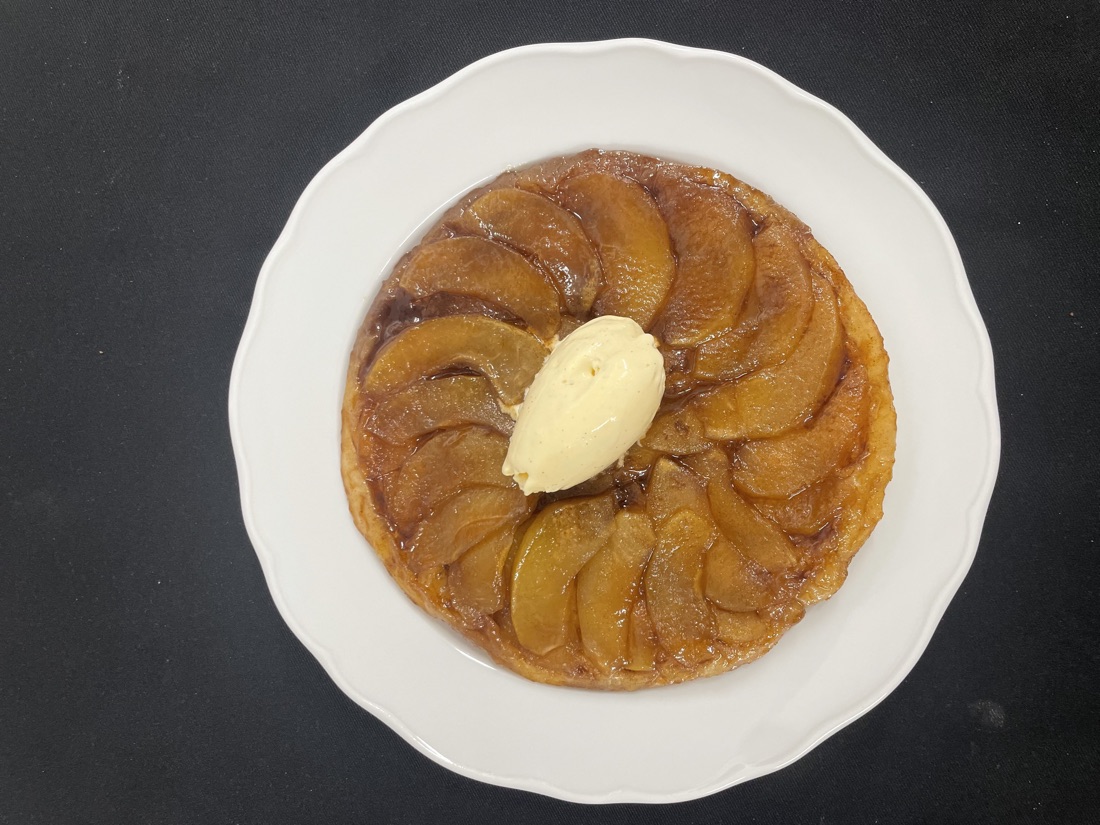
"Keep the recipes Canadian. Write them so a London kitchen can cook them on a Friday night."
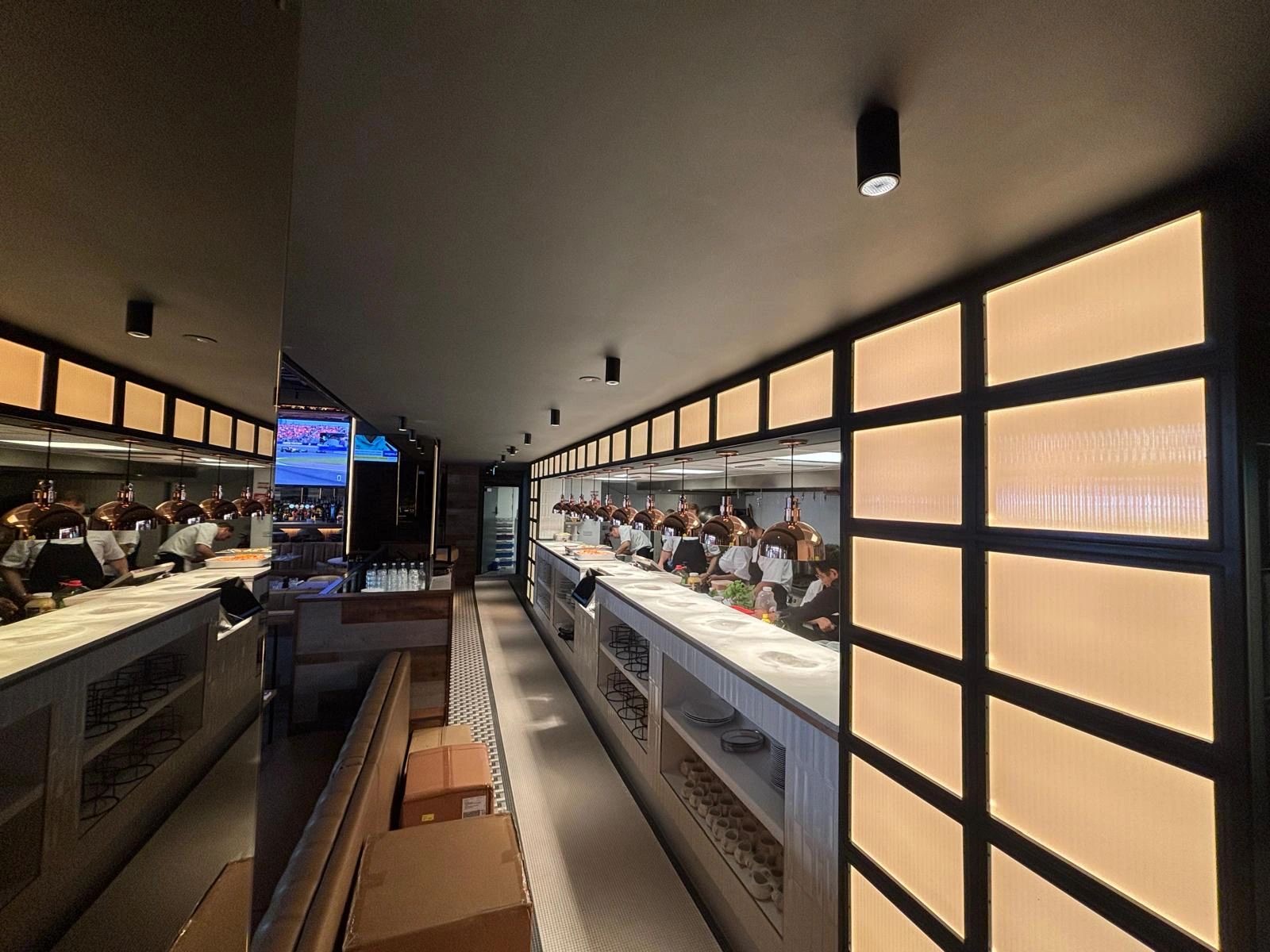
Sections built around the equipment and the screens, so the food lands together and nobody drowns at nine o'clock.
Most kitchens are split into starters, mains and puddings, which loads every dessert onto one person at the worst moment of the night. We built the sections around the cooking equipment and the kitchen screens instead. One person leads each screen, and it is the person actually cooking. The head chef runs quality and speed from the pass at peak.
Every dish routes to its own section screen plus the pass, and routing can move by day and by daypart, so a quiet Tuesday and a full Saturday are run differently without changing a recipe. Wings and tenders batch cook and hold, with portion counts prompting a re-fire before stock runs out. Smash burgers on the flat top, steaks on the char grill, a vertical toaster on the buns: a burger in two to three minutes.
Then the food journey itself, written with the head chef in his own words: goods in, packaging, decanting, how food travels downstairs and in what condition, the brunch to lunch changeover, afternoon re-prep, and break down that restocks tomorrow before it cleans today.
The head chef started on the Monday and the cook-off started ten days later. In between: clear the development kitchen, order the kit, write the cookbooks and agree how food moves through the building. Every action had one owner and one date, because the whole thing is sequenced and a slip on Thursday costs you Monday.
The right producers, the costed recipe behind every dish, and the systems that keep both honest.
Cheese curds that squeak, the right cut for hand-cut tartare, Scottish salmon, a bun that survives a smash patty: each line took a supplier search, samples and a tasting before it earned its place. Opening orders were built supplier by supplier, with the light equipment and small kit listed against what we already owned so nothing was bought twice.
Behind the menu sits a full costing: every dish and every batch recipe costed, a retail price checked against the London market, and allergen information carried through the same sheets. Those recipes then moved into the kitchen management system, so the cookbook that trains the team and the numbers that protect the margin stay the same document.
Recruit the kitchen, cook it off together, and train from a book people actually use.
I supported the head chef assessment and recruitment, then built the training around how a kitchen really learns. The master cookbook holds everything developed, split into batch recipes and finish recipes. The training cookbook holds only the dishes being cooked off, so nobody flicks past forty pages to find a sauce. Printed for the cook-off, digital afterwards, because paper books go out of date and fail allergen checks.
Then the cook-offs themselves: the whole brigade, the full menu, dish by dish, with photography from the development kitchen so every plate has a reference. Two standing rules from day one. Leave the kitchen as we found it, every session. Nothing leaves the top kitchen unless it is in prep condition.
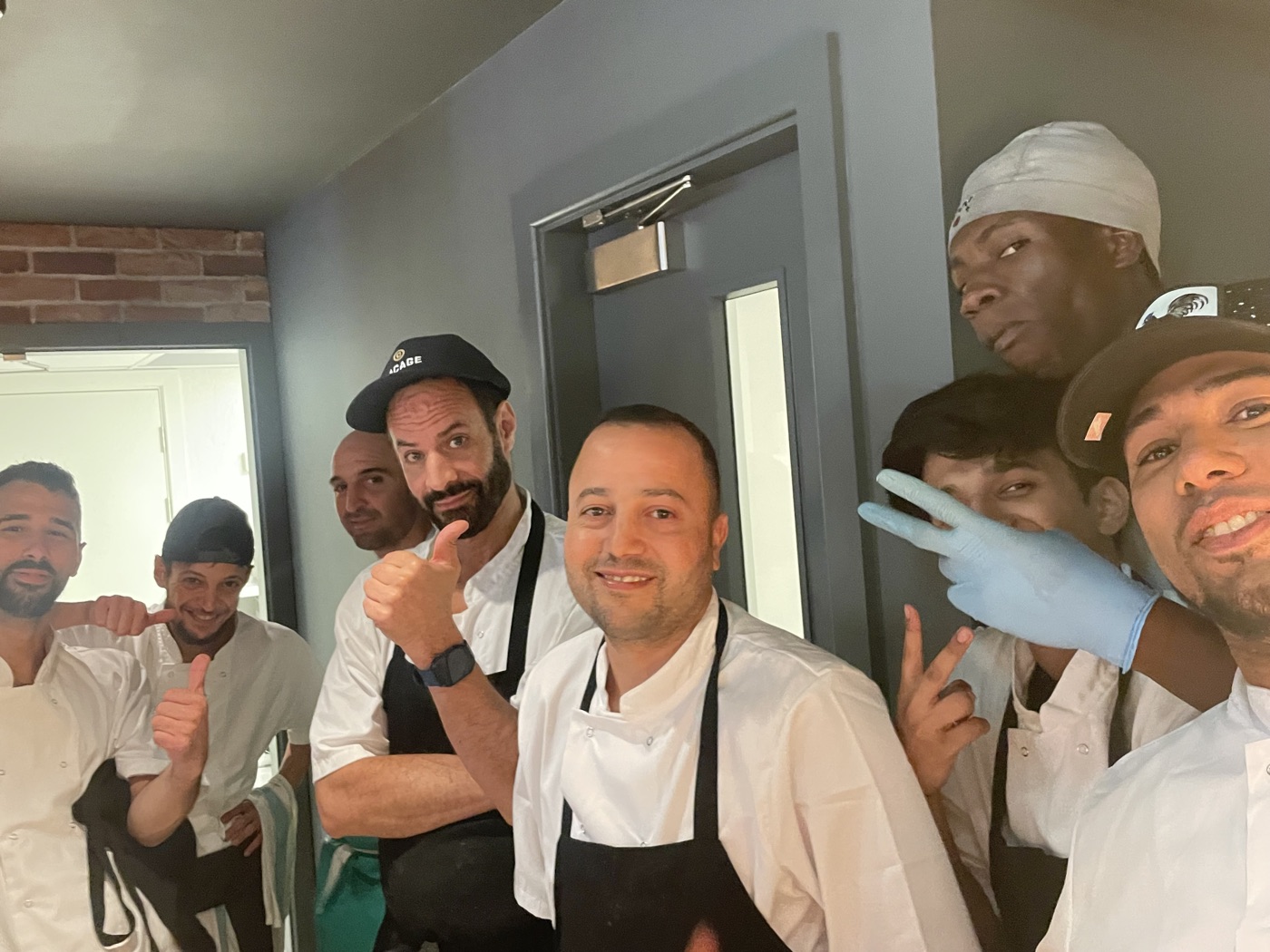
Forty years in and the best place to build a team is still on the line with them. Cook-offs, tastings, service and the long days before opening, alongside the people who have to deliver it every night once the consultant has gone home.
Kensington, September 2026. Doors open, screens on, first service.
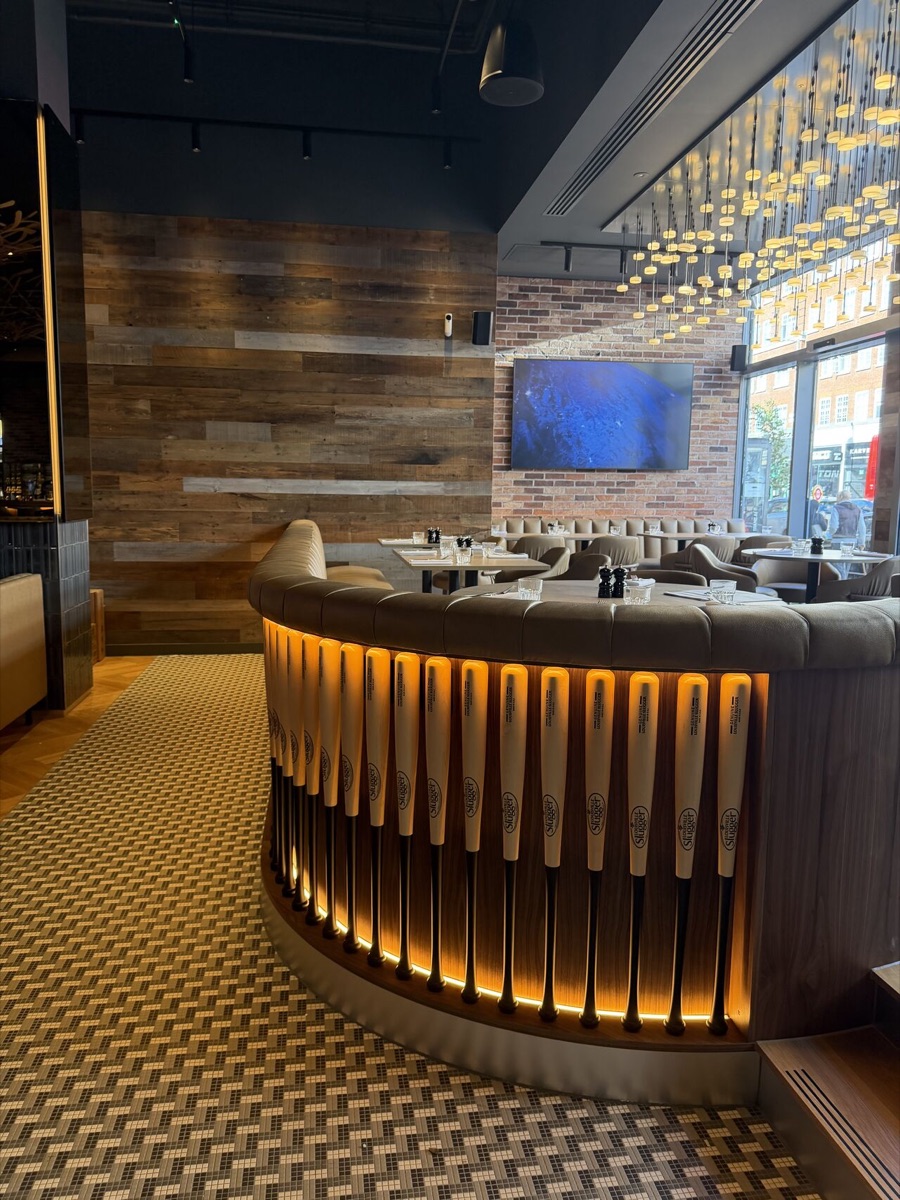
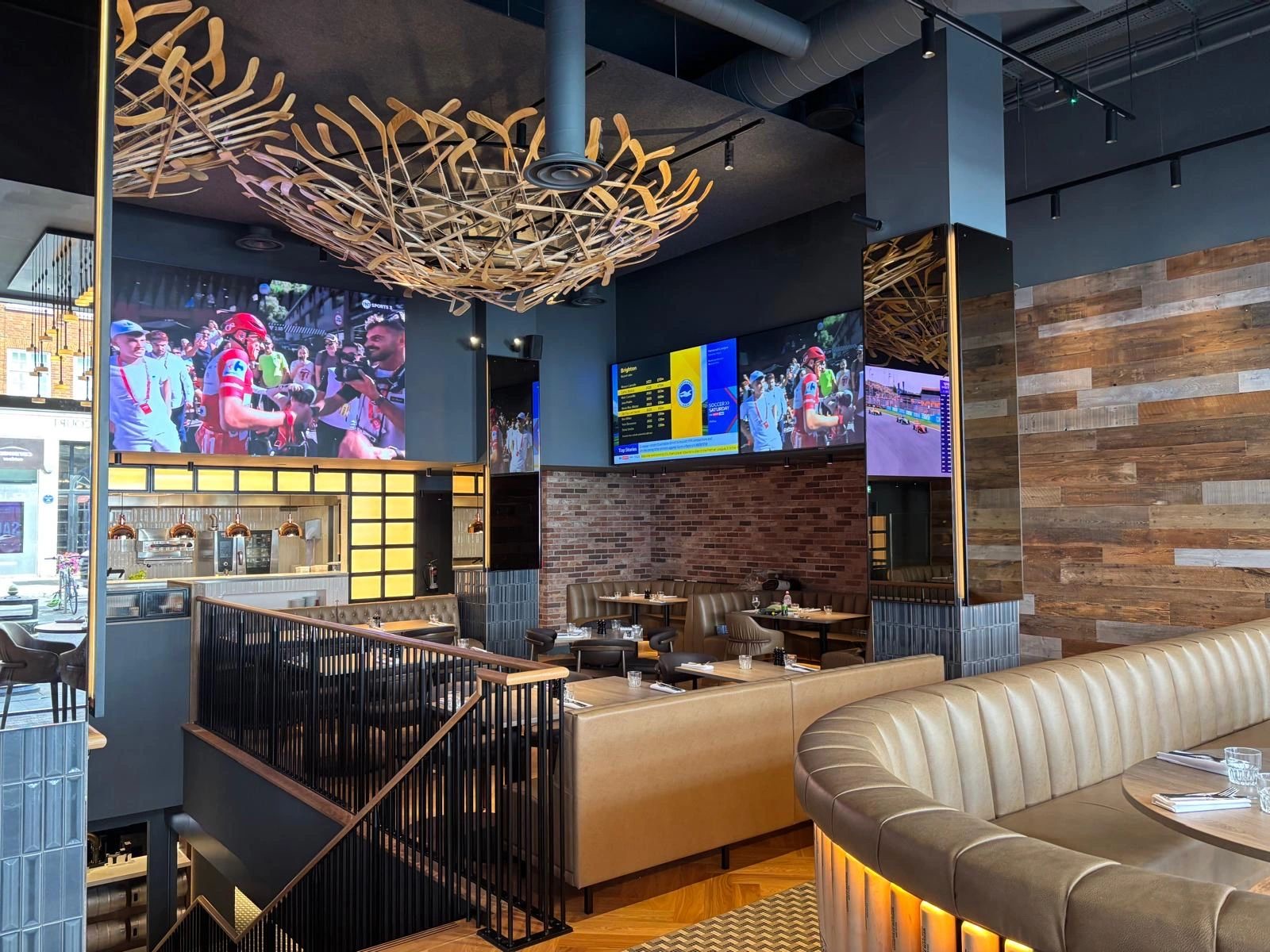
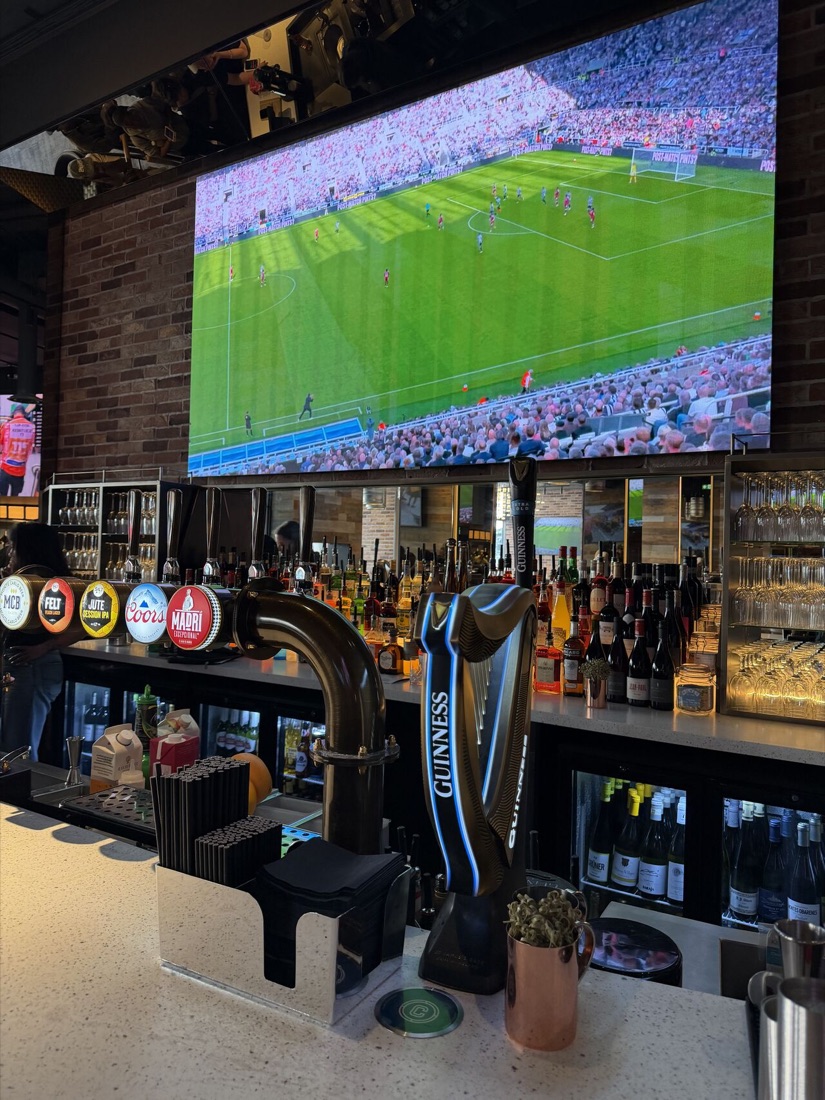
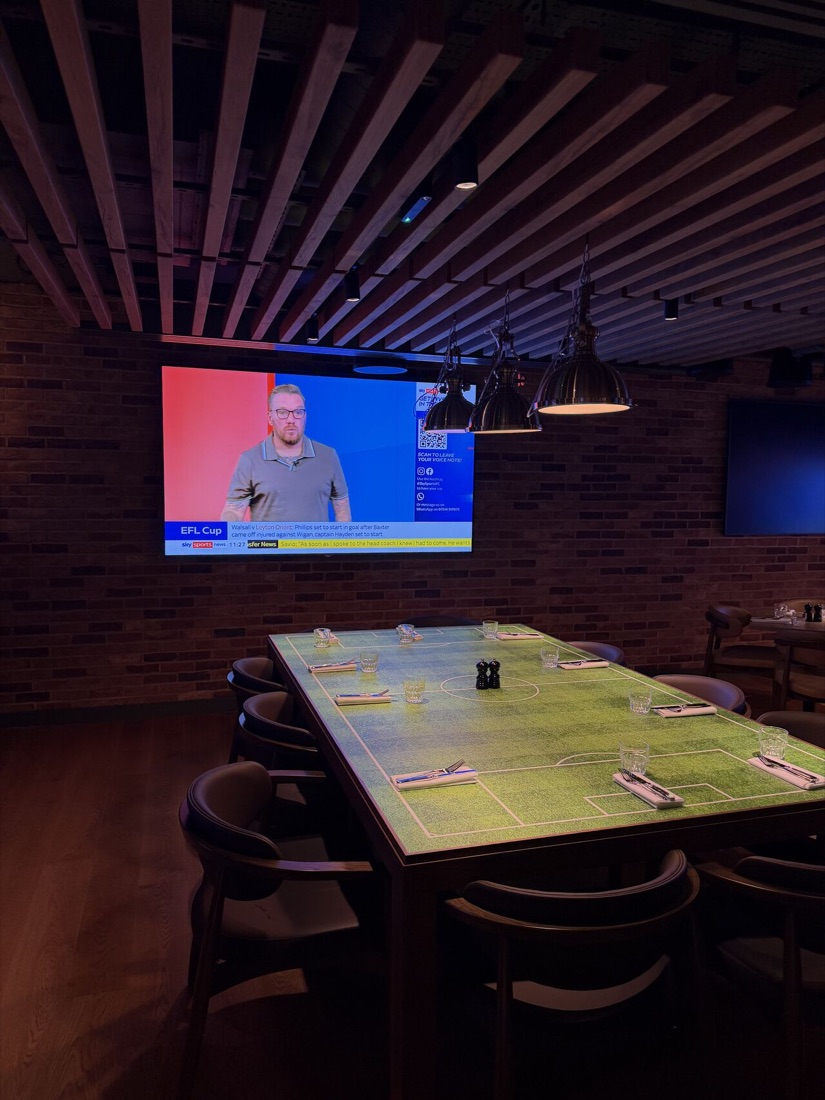
Beer kegs hung as pendant lights, a banquette clad in baseball bats, a chandelier of hockey sticks, a private table printed as a football pitch, and screens that make the room roar when the game turns. Behind it, a kitchen that can cook a Montreal menu at London volume, a team trained on it, and a costed recipe behind every plate.
"David bought in to the La Cage brand and ethos immediately and his genuine care about our success is a breath of fresh air. His energy and willingness to put on his whites have made a real difference for us."